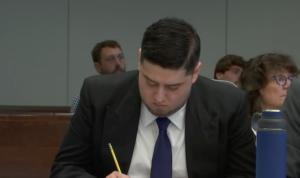
Defense attorneys and prosecutors continued their attempt to seat a jury Tuesday, during the second day of trial for the man accused of killing UNC student Faith Hedgepeth. At this point, no jurors have been chosen, so the selection process will continue Wednesday.

Miguel Salguero-Olivares is charged with murder, burglary, sexual offense and rape in the 2012 killing that attracted local and national attention, particularly as nine years went by before an arrest. If convicted, the maximum punishment he could face is life in prison.
Tuesday morning began with prosecutors and defense attorneys questioning potential jurors one by one, continuing Monday’s focus on any prior media exposure to the case that may impact how objective they could be during trial.
“This case is a little different in that there has been media coverage of the case…What we really need are the people in a jury pool who can be fair and impartial,” Assistant District Attorney Angela Garcia-Lamarca said in court.
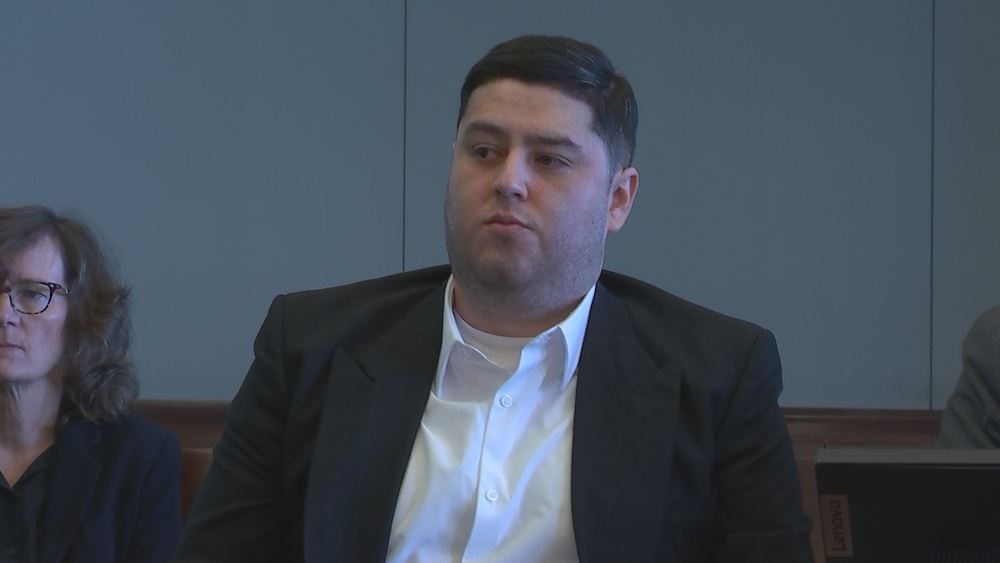
Shortly before 11 a.m., one juror was dismissed. She said she could not be impartial after reading in the news that there was DNA evidence linking Salguero-Olivares to the crime scene.
“He wouldn’t be here unless they have some sort of DNA evidence against him, I imagine, and if that’s true, then I don’t see why there should be an argument about it,” she told the court before being released.
Around noon, the court brought in all 12 jurors who had successfully gone through the initial round of screening about media exposure to ask them about any availability issues that would prevent them from serving.
Four said they did have scheduling conflicts – two had upcoming trips and two had childcare reasons. All four were then dismissed. To replace those four, four more potential jurors were screened one by one.
Once the court again had 12 potential jurors who passed the initial round of screening and said they were available for the duration of the trial, they were brought into the courtroom together. Garcia-Lamarca asked them questions including what they do for work, where they live and how long they’ve been in Durham, and about their hobbies and family.
Garcia-Lamarca passed the potential jurors a list of the witnesses that prosecutors may call during trial, and read aloud a handful of names from the defense’s 177-person witness list that she thinks are likely to be called. One potential juror said two names sounded familiar, but she wasn’t sure why. No others recognized any of the names.
Garcia-Lamarca then questioned the prospective jurors about their views on underage drinking and college students partying. While some said they did not drink while they were college-aged, most agreed that drinking in college is typical, and none expressed that their views on underage drinking would affect their ability to be fair. Those topics will likely be prevalent during the trial, as investigators have said Hedgepeth, 19 at the time, was out at a nightclub just before her murder.
Garcia-Lamarca reminded prospective jurors that the burden in this case is on the State of North Carolina to prove that the defendant is guilty beyond a reasonable doubt. She reiterated that the defendant has no burden and does not need to call witnesses or testify himself.
Judge Gregory concluded by reminding the potential jurors of their duty to deliver a verdict following the law, and that if they find Salguero-Olivares guilty, it will be the judge’s responsibility to decide on a sentence. He added that they are not allowed to search for additional information online or elsewhere at risk of a mistrial being declared or being held in contempt.
Just after 5 p.m., one person from the jury pool was excused, because she has a surgery scheduled for Wednesday morning. Judge Gregory kept one juror in the jury pool despite her indicating that the possibility of serving is making her anxious. A court reporter said there were still over 60 remaining potential jurors in the pool that have not yet been called.
fiona shuldiner
Gemma Tutton